
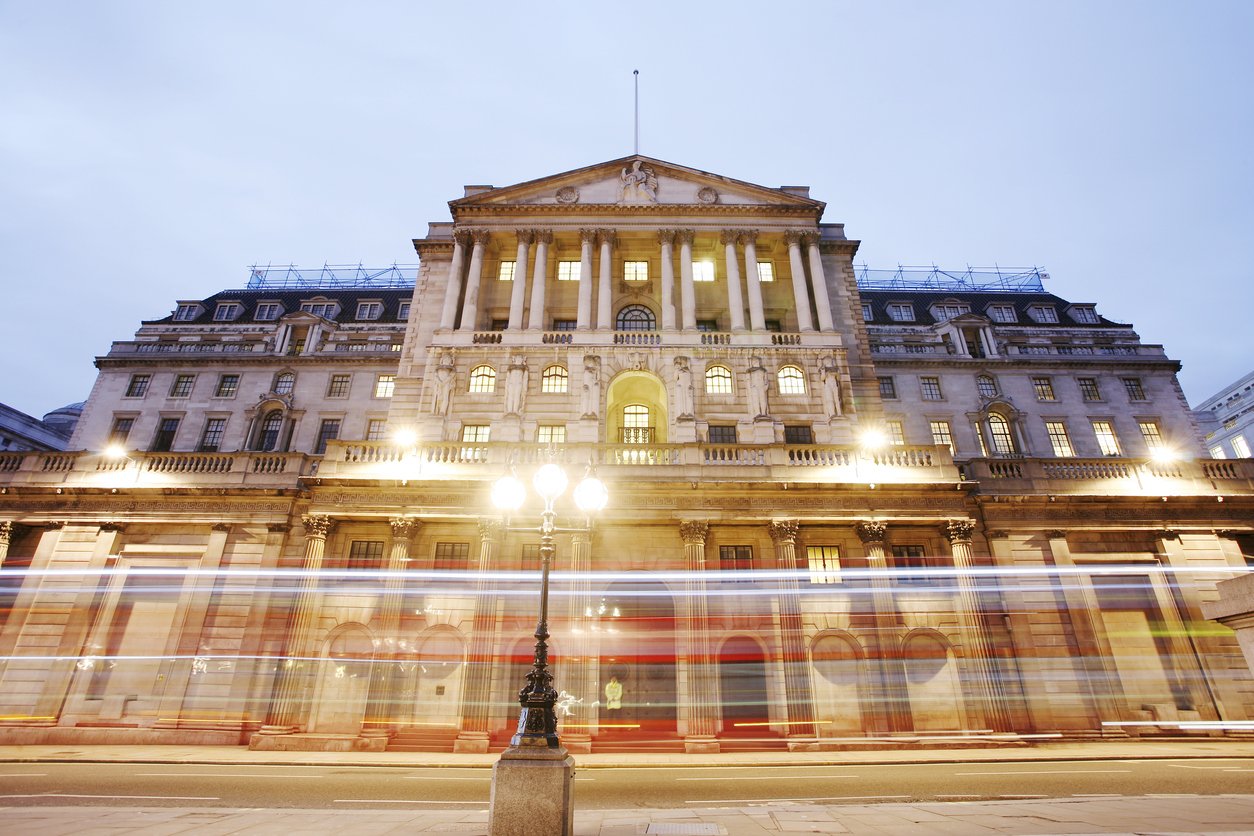
The Bank of England (BOE) is looking at options for the basis of a new payment system that will deliver a ‘resilient, flexible and innovative sterling system.’
The current real-time gross settlement (RTGS) is at the heart of the UK’s payment infrastructure. It is where financial institutions hold their sterling bank accounts.
On an average day, the system settles around £500 billion between banks.
The BOE believe that a new RTGS is needed to respond to the changing structure of the financial system as well as ‘meet user demand for simpler and more resilient payment pathways’.
The system will also need to have capacity to interface with new payment technologies.
In a press release, the BOE states:
“The system will be designed to interface with Distributed Ledger Technology in future.”
The BOE has been monitoring and commenting on the potential of blockchain, and is a member of Hyperledger.
Back in 2014, in a quarterly bulletin the bank said:
“The distributed ledger is a genuine technological innovation which demonstrates that digital records can be held securely without any central authority.”
In a speech in April 2017, BOE governor Mark Carney, said:
“We are looking to work on new proofs of concept on maintaining privacy in a distributed ledger and applying a range of big data tools to support the Bank’s analysis.”

Interested in hearing leading global brands discuss subjects like this in person? Find out more at the Blockchain Expo World Series, Global, Europe and North America.


