
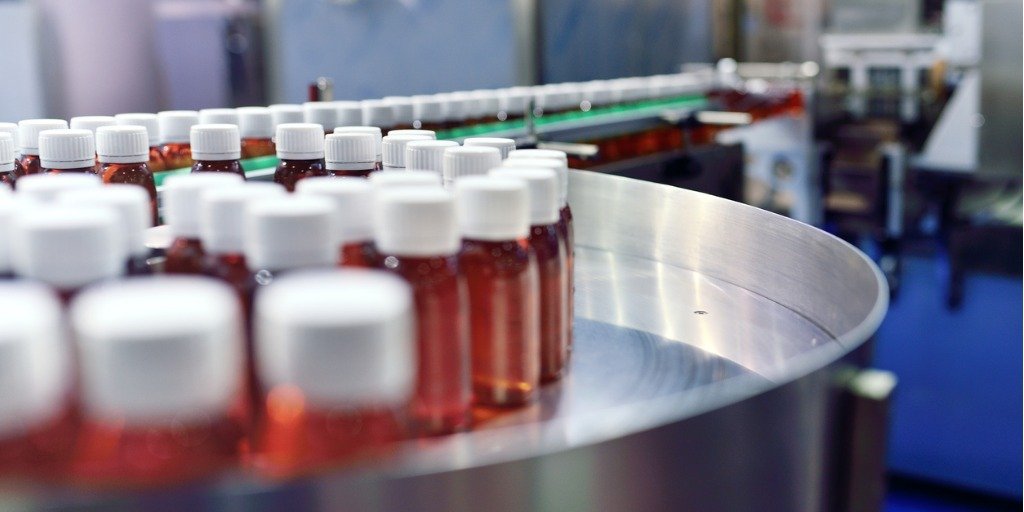
Blockchain has been touted as a possible solution to drug and food safety issues in China, following a high-profile scandal involving a pharmaceutical firm forging documents relating to a rabies vaccine for minors.
As reported by South China Morning Post (SCMP), China’s Food and Drug Administration found the Shenzhen-listed pharmaceutical firm Changsheng Biotechnology to have fabricated production documents and inspection records, as well as modifying process parameters and equipment, spurring a police investigation into members of its management.
In the fallout following the accusations, there has been growing online debate around the safety and transparency of China’s existing food and drug supply chain, leading many to point to the benefits of blockchain technology as a possible solution, including one of the country’s leading cryptocurrency entrepreneurs, Li Xiaolai.
“If the entire vaccine supply-chain was to use the token-free blockchain solution to record everything from start to finish, then most of the problems in drug safety could be solved,” Li said on the Chinese microblogging site Weibo.
Amid the discussion, YLZ Information Technology saw shares grow 10 percent following suggestions that it would be exploring blockchain solutions for vaccine safety.
With blockchain already widely used within the food supply industry internationally, tracking goods from ‘farm to store’ with the use of QR codes, it’s not a stretch that the approach could be applied to the production, certification and distribution of pharmaceuticals.
Last August, IBM partnered with companies, including Dole, Walmart and Nestle, to explore the use of blockchain in the food safety process in a collaboration aimed to “further strengthen consumer confidence in the global food system”, while the UK’s Food Standards Agency recently announced a successful blockchain pilot at a slaughterhouse to regulate compliance within the local food sector. Similar projects have been undertaken in China.
As SCMP notes, however, citing a report from social media and gaming giant Tencent, while the technology could introduce increased transparency to both the food and drug supply chain, if somebody intends to falsify records, blockchain can still carry fake data.

Interested in hearing leading global brands discuss subjects like this in person? Find out more at the Blockchain Expo World Series, Global, Europe and North America.


